Current Research Projects
Limb Deformity Database: An Observational Study of Children with Limb Differences
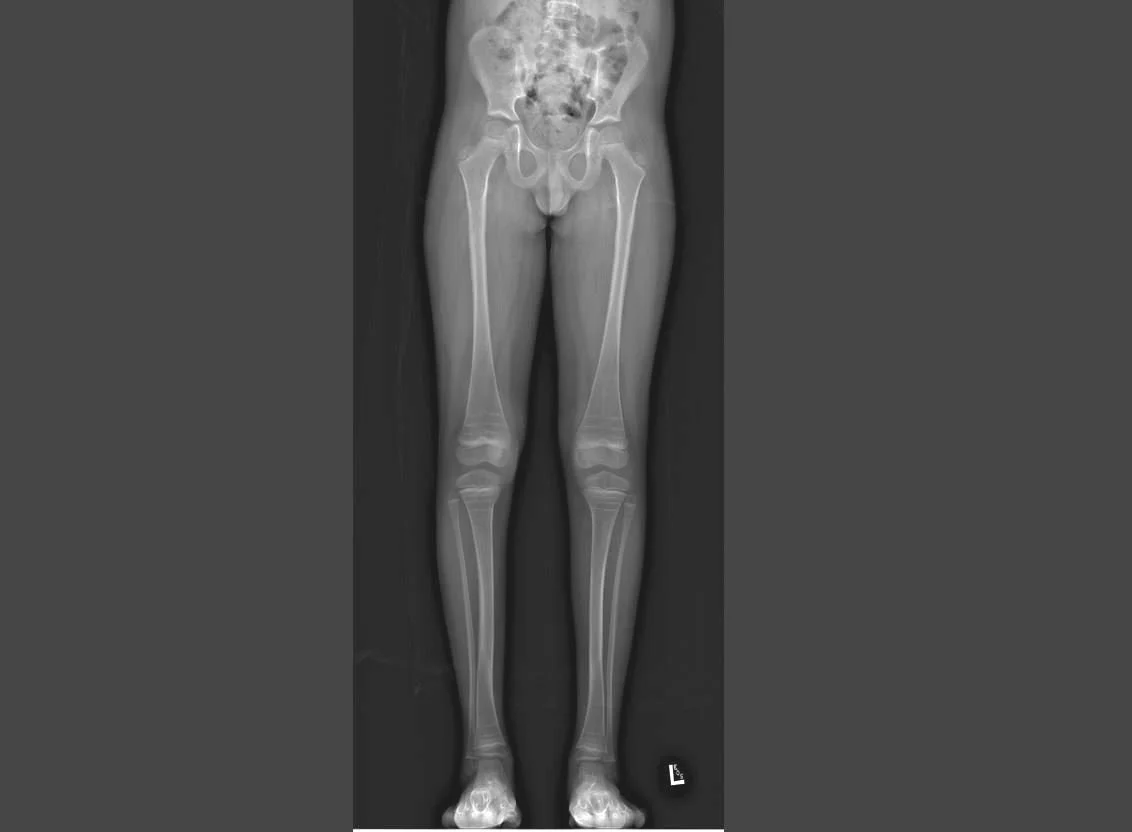
This study helps us learn about and understand the care for children who are born with limb differences and those who develop them later in their lives. We look at things like what type of treatment provides best outcomes for patients, how long children may need corrective frames, how many surgeries are required, and what complications may occur during the treatment
We have over 500 patients in this study so far. By following children over time, we can better understand how different treatments work and what the treatment journey is like for children and adolescents with limb differences. What we learn from this research will help us improve treatment and provide better support to children and their families.

International Limb Differences Registry
The International Limb Differences Registry is a global research study that follows children over time to better understand the many conditions that can lead to limb differences. We are currently recruiting for our Osteogenesis Imperfecta and Musculoskeletal Infections registries.
Because these conditions are rare, information from many hospitals around the world is needed to truly understand them. By bringing together data from many countries, this project will be the largest study of limb differences in children and adolescents and will help guide better treatment and care.

Global Pediatric Orthopaedic Implant Safety and Efficacy (POISE)
Global POISE is an international study that follows children who receive orthopaedic implants to better understand how these devices perform over time. These implants are essential in the treatment of many orthopaedic conditions by helping hold the ends of bones together until they can heal properly. By collecting information from hospitals around the world, the study tracks how well these implants work and if any issues arise.
What we learn from POISE helps ensure that pediatric orthopaedic implants are safe, effective, and continue to support the long-term health and mobility of children.

Prevalence of body image dissatisfaction among youth with limb differences
Research indicated that adolescents with limb differences may be predisposed to psychosocial vulnerabilities, making them at an increased risk for body image disturbance. This study is to better understand the relationship between satisfaction with leg appearance and physical function of the leg and overall perceptions of body image in youth with lib differences. The objectives of the study are to evaluate the relationship between satisfaction with leg appearance, functional ability of the leg, and overall perceptions of body image in youth with lower limb differences and to evaluate the prevalence of eating disorders and explore any relationship between body image dissatisfaction and eating disorders in children and adolescents with lower limb differences
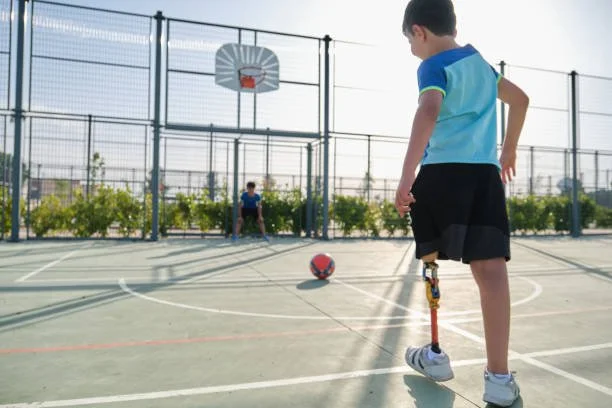
Measuring what children like or dislike about their prosthesis
The aim of this project is to create a questionnaire that lets children with prostheses share how satisfied they are with their prostheses. By interviewing children and adolescents, we can learn what they like, dislike, and find important about their prosthesis.
This questionnaire could be used to identify any concerns early, helping guide care and support for children who use prostheses.
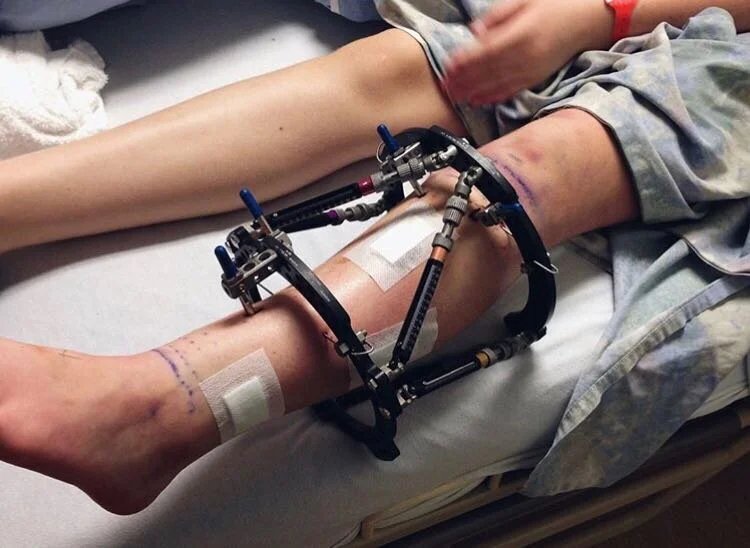
Multicentre Pin Site Infection Study
Pin site infections are one of the most common complications of external fixators, which are devices used to treat limb differences. Our multicentre study is tracking pin site infection rates and care practices across Canada, the US, and the UK using a database at BC Children’s Hospital.
This study documents the location, timing, and treatment of pin site infections, with the goal of better understanding factors that cause pin site infections and improving care for those undergoing treatment with external fixators.
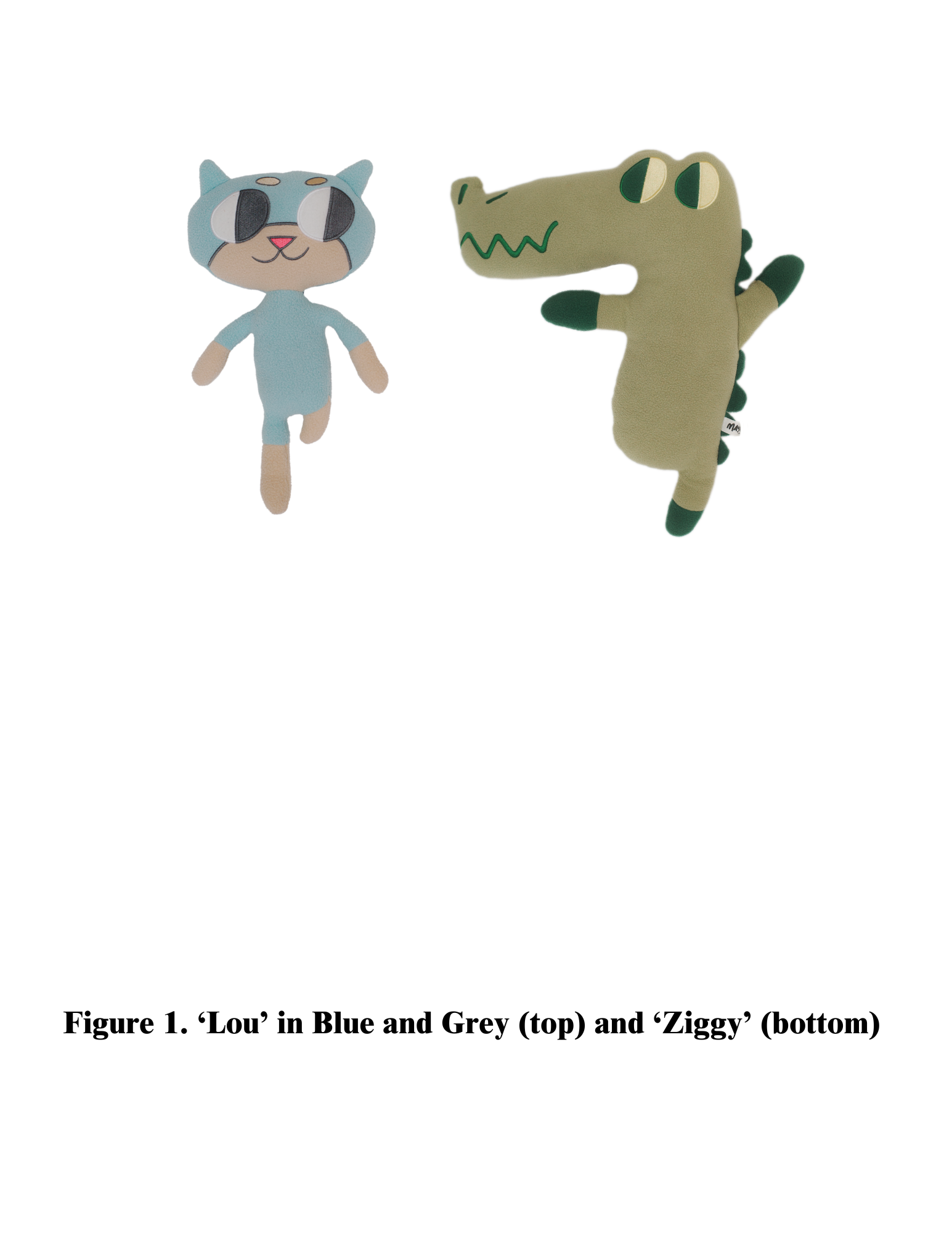
Exploring the Views and Experiences of Children with Limb Differences and their Parents on Receiving a Representative Toy
This study explores how children with limb differences and their parents feel about inclusive toys. Families will take home a toy, either Lou, a cat with a leg length difference, or Ziggy, an alligator with one leg.
The research team will ask children and their parents questions about their experiences with the toy to better understand their thoughts and feelings. We hope to use what we learn to help create more inclusive toys for children with limb differences.
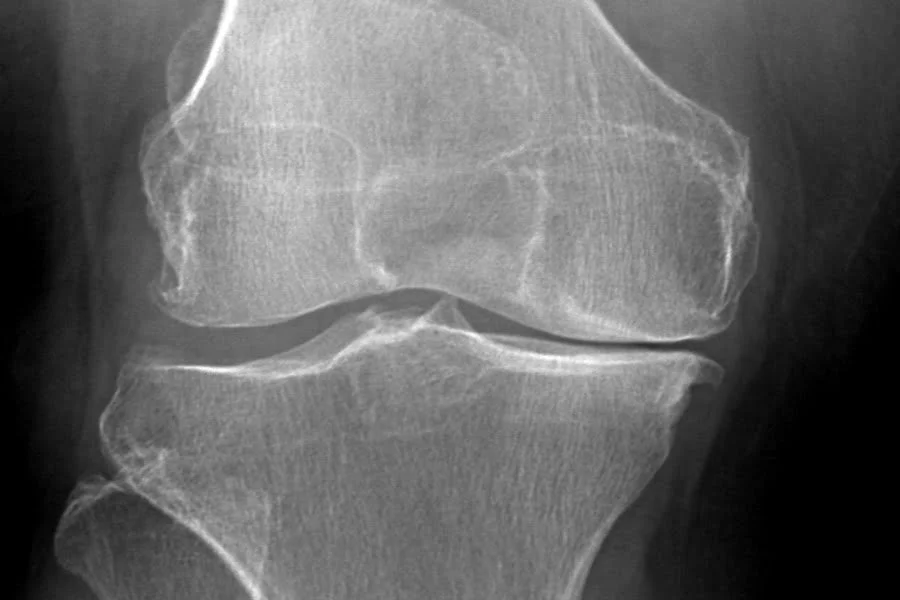
Knee Instability and ACL Deficiency in Fibular Hemimelia and Congenital Femoral Deficiency: Prevalence, Functional Impact, and Treatment Outcomes
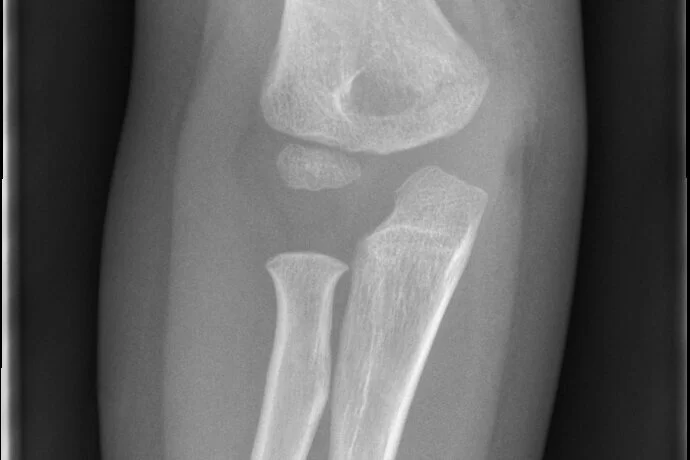
The objective of this study is to analyze knee instability and ACL reconstruction in FM and CFD patients to help physicians understand whether surgical management is required for treating knee instability and to minimize risk for subluxation.
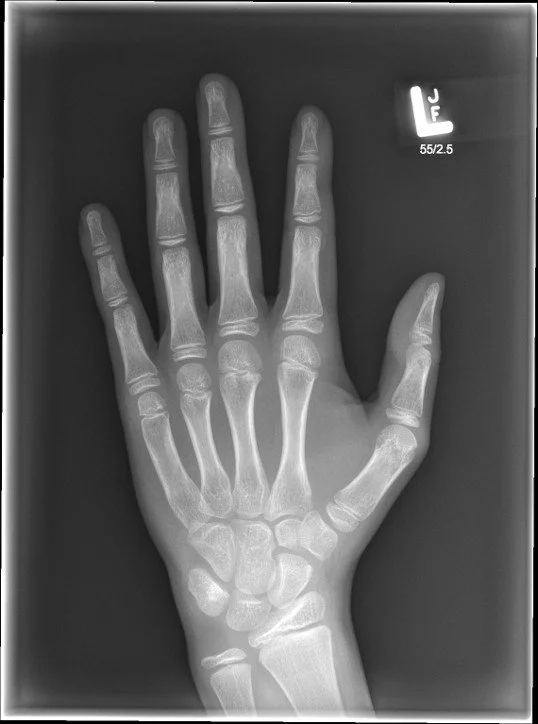
Evaluating the Accuracy of the Greulich and Pyle Method for Paediatric Bone Age Estimation Across Self-Reported Race and Ethnicity Groups in British Columbia
This study aims to evaluate how well the current method for interpreting bone age studies works for estimating bone age in children and youth from different backgrounds in British Columbia. The Greulich and Pyle method was developed many decades ago and may not accurately reflect the diversity of children living in British Columbia today. Understanding how well this method works for our current population will help ensure that all children receive the best possible care.